

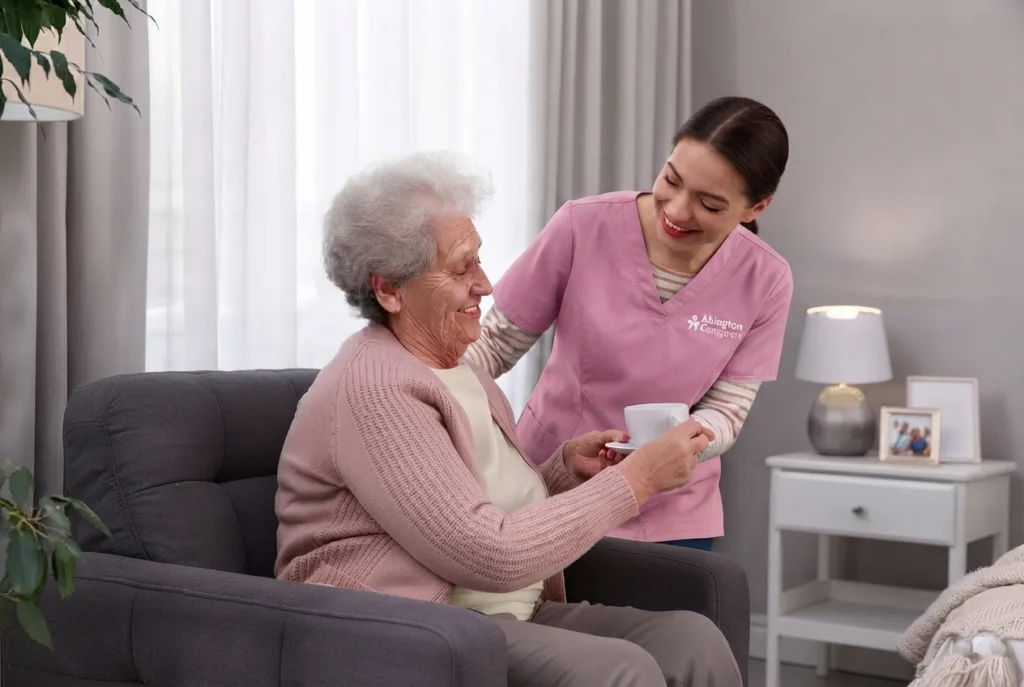

Companion Care in the Home
Let's Get Started
In-Home Companion Care Includes
- Companionship
- Errands
- Grocery Shopping
- Light Meal Preparation
- Light Housekeeping
- Changing Bed Linens
- Light Laundry
- Accompany to Appointments
- Organizing Mail
- Medication Reminders
- Arts and Crafts
- Help with Hobbies
- Maintaining Calendar
- Calls and Appointments
Enhancing Quality of Life
At Abington Caregivers, enhancing the quality of life for seniors is a primary focus. Through senior companion care, individuals can experience a greater sense of independence, reducing their feelings of social isolation.
Our professional caregivers provide support with daily tasks, allowing seniors to focus on the things that bring them joy. Services include meal preparation, light housekeeping, and assistance with personal care. Caregivers also offer emotional support and friendship, leading to meaningful relationships and mental stimulation.
This type of companionship has a profound impact on a senior’s overall well-being, providing a sense of connection and belonging. By promoting independence and reducing feelings of loneliness, Abington Caregivers’ companion care can truly improve the quality of life for seniors. Through caring companionship, seniors can live their lives to the fullest, surrounded by support and care.
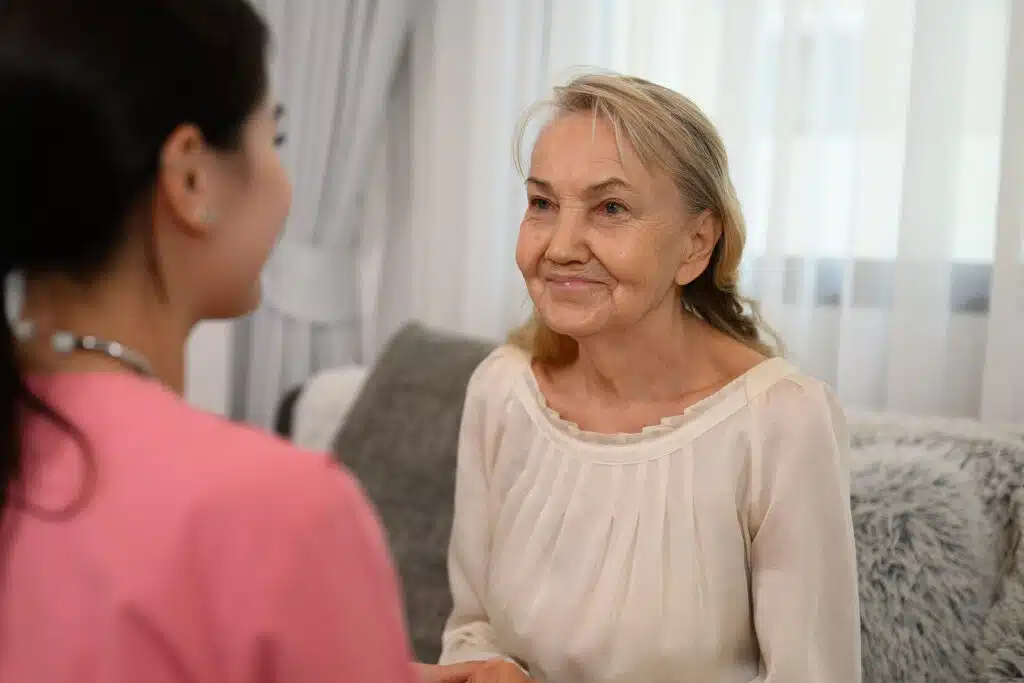
Benefits of Companion Care
This type of senior care offers a range of benefits, including emotional support, social interaction, and assistance with daily tasks.
By providing companionship, meal preparation, light housekeeping, and medication reminders, professional caregivers help reduce loneliness, improve mental well-being, and promote independence in older adults.
Tailored care plans focus on individual needs and preferences, ensuring a high-quality, personalized experience.
Through companion care, seniors can maintain their independence, enjoy a fulfilling lifestyle, and build meaningful relationships.
By addressing social isolation, companion care services empower seniors to live life on their own terms, free from the constraints of loneliness and isolation. With companion care, seniors can experience a renewed sense of purpose, confidence, and joy, allowing them to thrive in their golden years.
Our Caregiving Philosophy
- Their caregivers provide emotional support, social interaction, and assistance with daily tasks to promote independence and overall well-being.
- They tailor their care plans to meet the unique needs and preferences of each individual, ensuring personalized and effective companion care.
- By providing companionship, they help reduce social isolation, improve mental health, and create a positive and engaging environment for their clients.
Building Meaningful Relationships
It acknowledges that each individual has unique needs, desires, and stories and that a genuine connection can make all the difference. By investing time and effort into building relationships, caregivers can promote companionship, reduce feelings of isolation, and improve overall well-being. This people-centered approach guarantees that clients receive more than just practical assistance – they receive a sense of comfort, companionship, and care.
Let's Get Started
Frequently Asked Questions About Companion Care
The distinction between companion care and caregiver services lies in their focus. Companion care emphasizes emotional support, social interaction, and companionship, while caregiver services prioritize assistance with daily tasks, personal care, and medication management. Both types of care aim to improve seniors’ quality of life, but companion care specifically targets reducing social isolation and promoting overall well-being. Abington Caregivers understand the importance of this distinction, helping seniors and their families choose the right support for their unique needs.
A home companion is a caring and compassionate individual who provides emotional support and assistance with daily tasks. For example, a home companion like Sarah from Abington Caregivers helps Mrs. Johnson with meal preparation, light housekeeping, and medication reminders. Sarah’s presence also provides companionship, reducing Mrs. Johnson’s feelings of loneliness and isolation. Through their daily interactions, Sarah develops a personalized care plan, catering to Mrs. Johnson’s unique needs and preferences, and fostering a meaningful and trusting relationship.
The love and care of a companion vs a Personal Care Assistant (PCA) at Abington Caregivers differ in their focus. A companion provides emotional support, social interaction, and companionship, focusing on mental well-being and reducing social isolation. In contrast, a PCA assists with daily living activities, like bathing and meal prep, addressing physical care needs. Both roles are vital in supporting individuals requiring care, and Abington Caregivers recognizes the distinct importance of each. By providing companionship and PCA services, Abington Caregivers helps individuals maintain their quality of life.